Recent articles
Practical editorial content on gear, fish behaviour, and the places where Italian anglers actually fish.
Tackle selection, species-specific techniques, current licensing rules, and the locations where Italian anglers spend most of their time.
Practical editorial content on gear, fish behaviour, and the places where Italian anglers actually fish.
A national fishing licence from FIPSAS covers most freshwater bodies, but each region adds its own closed seasons, catch limits, and restricted zones. Shore fishing from public sea coastline generally requires no licence for recreational anglers, though protected marine areas carry strict rules. Knowing which rules apply before you set up is a practical necessity, not a formality.
Read the regulations overviewDifferent waters and target species call for different setups. These three cover the most common situations Italian anglers encounter.
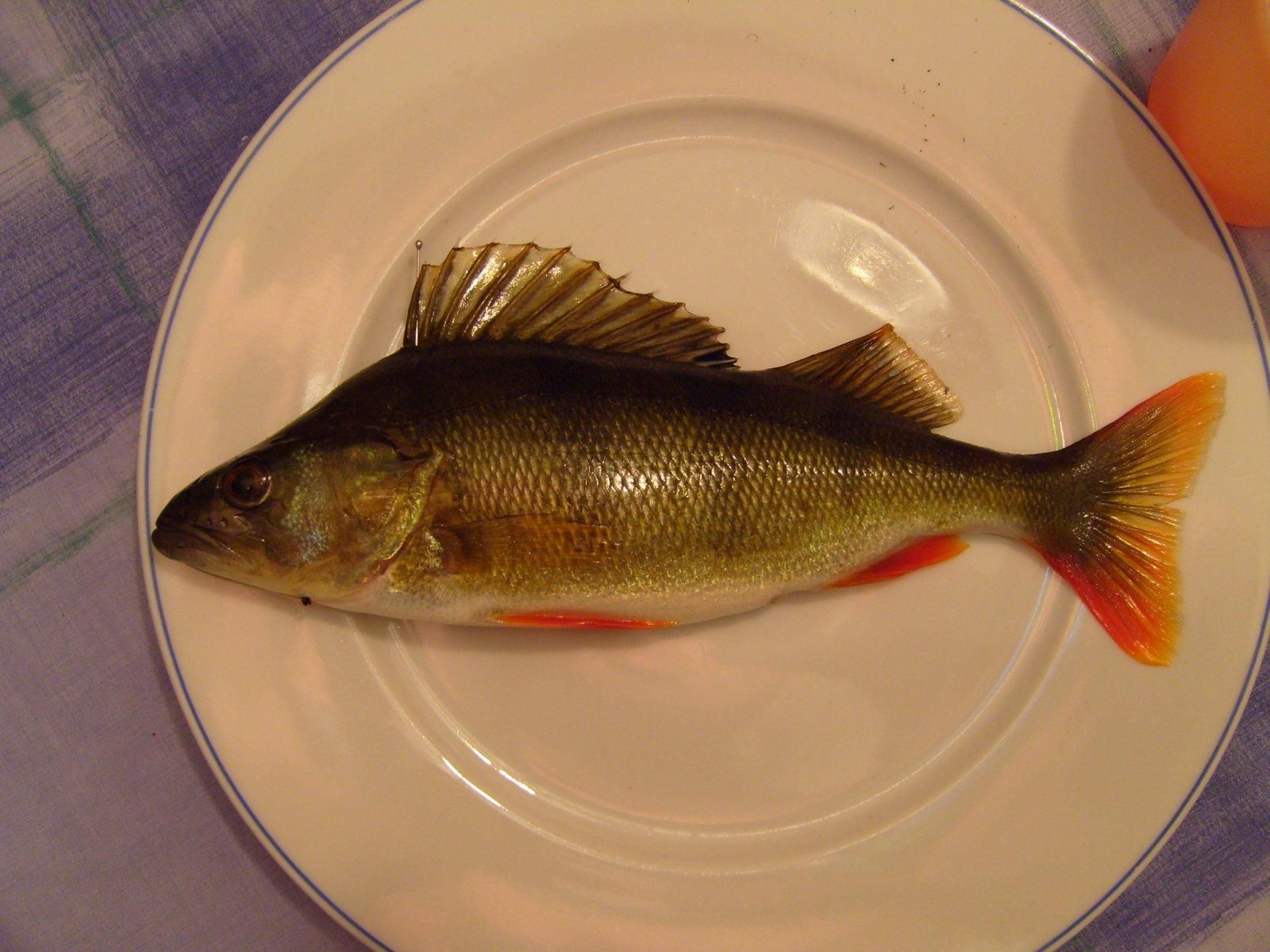
A 2.4–2.7 m medium-action spinning rod paired with a 2500–3000 reel covers perch, pike, and bass in rivers and reservoirs. Braided 0.10–0.12 mm mainline with a fluorocarbon leader of 0.25 mm is a reliable starting configuration.

Alpine streams and the Piedmont rivers hold brown and rainbow trout. A 9-foot #5 fly rod with a weight-forward floating line is the standard entry point. Dry fly presentation works well in the slower pools from May through September.

Shore fishing for sea bream, mullet, and sea bass along the Adriatic and Tyrrhenian coasts typically uses a surfcasting rod of 3.9–4.2 m with a shock-leader and a running ledger rig. Cuttlefish, lugworm, and shrimp are the most consistent baits.
Lake Maggiore, Lake Como, Lake Garda, and Lake Iseo hold a wide range of species including pike, perch, whitefish (coregone), and eel. Coregone fishing with small spoons or feather rigs at depth is a distinct local tradition — particularly around Verbania on Maggiore and Colico on Como.
Boat fishing on these lakes requires adherence to the regional licensing system. Local fishing clubs (circoli di pesca) often have current zone maps and can advise on access to private stretches. The lakes' depth and cold water make surface temperature an important planning variable for target species.
Explore top locations
Italy's 7,458 km of coastline offers year-round shore fishing access. The Adriatic's shallower, sandier seabed suits surfcasting for sea bream, flatfish, and mullet. The Tyrrhenian's rockier stretches around Liguria, Campania, and Calabria hold grouper, wrasse, and sea bass in the crevices. Night sessions from sea walls and breakwaters are common practice from June through October.
Shore fishing guideQuestions about a specific location, a regulation, or the content on this site? Use the form to get in touch. Responses typically take 2–3 working days.