Italy's geography places an exceptional variety of fishing environments within a compact area. The northern prealpine lakes are among the deepest freshwater bodies in Europe. The Po and its tributaries form one of the largest river systems on the continent. And the coastline — split between the Adriatic's shallow, sediment-rich waters and the clearer, rockier Tyrrhenian — offers distinctly different sea fishing on either side of the peninsula.
The locations listed here are consistently mentioned by Italian anglers as the most productive, whether judged by species diversity, fish density, or the quality of public access. Not all are easy to reach, and some require a local club membership or advance booking. Access details change, so verifying conditions locally before a journey is advised.
Lake Maggiore
Lake Maggiore sits on the border of Piedmont, Lombardy, and Switzerland, stretching 64 km with a maximum depth of 372 m. It holds pike, perch, carp, tench, eel, and — most distinctively — coregone (whitefish), which is the target of a dedicated local fishing tradition.
Coregone are pursued mainly by boat using small spoons or feather rigs trolled slowly at 10–20 m depth, but experienced shore anglers target them from specific rocky banks around Verbania and Stresa using vertical jigging with micro-spoons of 3–5 g. The coregone season runs from September through April; summer water temperatures push the fish deep and below the range of most shore presentations.
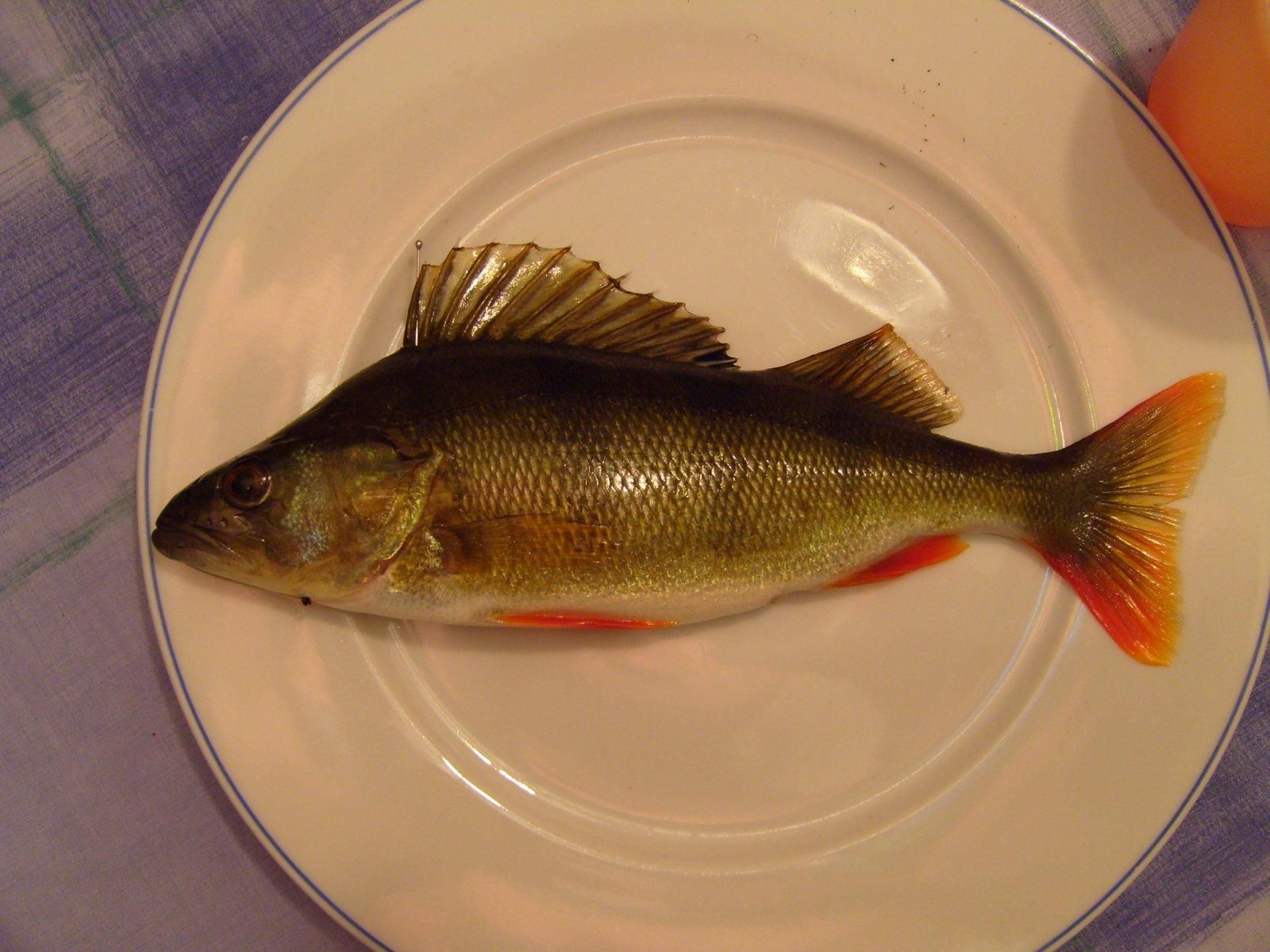
Shore fishing for perch is productive year-round at the northern end of the lake around Cannobio. Perch to 600–700 g are common; larger specimens are occasionally taken on soft plastics near submerged structures. The southern end around Sesto Calende holds pike in the reed beds and backwaters connecting to the Ticino river outlet.
Lake Como
Lake Como is narrower than Maggiore but comparably deep (410 m at its maximum). The same coregone tradition exists here, with the fishing concentrated around Colico at the northern end and the area near Lecco where the lake narrows before its southern outlet.
Pike fishing on Como is notable. The lake's deeper structure and colder water than Garda support a pike population that includes specimens regularly exceeding 10 kg. Trolling with large plugs or jerkbaits along the steep rock faces below Bellagio is the most consistent approach for larger fish. Boat access is needed; the depths drop too quickly from shore for most bank fishing.

Lake Garda
Lake Garda is Italy's largest lake and sits in a warmer microclimate than Maggiore and Como, which affects its fish population. Largemouth bass (persico trota), introduced to the lake in the 20th century, have established in significant numbers, particularly in the southern part of the lake around Peschiera del Garda and Desenzano. Bass fishing from shore with surface lures, especially in the early morning from May through October, is productive and accessible from public banks.
The northern end of Garda, around Riva del Garda and Torbole, holds trout (lago di Garda trota) and is popular with fly anglers. The wind patterns in this section — northerly Pelèr in the morning, southerly Ora in the afternoon — push baitfish and create consistent feeding lanes that trout exploit predictably.
The Po River and delta
The Po, running 652 km from the Monviso massif to the Adriatic, is the backbone of Italian freshwater fishing. Its lower reaches and the delta complex near Comacchio hold the greatest fish biomass. Carp, bream, tench, catfish (siluro), and pike are all present in numbers; catfish exceeding 2 m are documented in the middle Po annually.
The delta's network of channels, lagoons, and brackish transitional water supports mullet and sea bass alongside the freshwater species. This transitional zone — where fresh river water meets the salt influence of the Adriatic — is one of the most biologically productive fishing environments in Italy.
Bank access along the Po varies by stretch. Much of the levee road network is publicly accessible, and fishing is permitted where not explicitly prohibited. The stretch between Cremona and Piacenza in Lombardy is among the most fished for catfish using deadbait ledgered in the main channel at night.
Adige and Brenta rivers — trout in the Trentino
The Adige and its tributaries in Trentino-Alto Adige hold one of the most significant wild brown and rainbow trout populations in Italy. Several stretches of the Noce, Sarca, and Avisio rivers are catch-and-release only, managed by the Provincia Autonoma di Trento's fisheries authority. Day permits are available from local tackle shops (pescerie) and some tobacconists in the valley towns.
The Brenta river on the Venetian Pre-Alps side, from the Valsugana valley down toward Bassano del Grappa, holds good populations of chub and barbel in addition to trout in the higher reaches. The lower Brenta in the Padovan plain transitions to a coarse fishery with carp and bream dominant.
Adriatic coast: the Po delta to Puglia
The entire length of Italy's Adriatic coastline offers surfcasting opportunities, but the most productive areas for consistent results are the sandy beaches of Emilia-Romagna (between Rimini and Ravenna), the Marche coast south of Ancona, and the Puglia coastline from Bari southward.
The northern Adriatic's shallow, turbid water concentrates sea bream and flatfish close to shore. Autumn — from September through November — is the most productive period, when cooling water temperatures bring fish onto the shallower sand banks to feed. The Adriatic beaches in this period are among the more crowded shore fishing environments in Italy; arriving early for a preferred mark is standard practice.
Tyrrhenian coast: Liguria, Campania, Calabria
Rocky Tyrrhenian shores suit a different type of fishing than the sandy Adriatic. The Ligurian coast around Finale Ligure and the Cinque Terre area holds grouper, sea bream, and wrasse in rocky crevices and caves within range of shore anglers fishing with bolentino rigs or light tackle from accessible ledges.
The Campanian coast around the Gulf of Naples — particularly the Pozzuoli area and the southern shore between Salerno and Palinuro — is productive for sea bass and dentex from rocky promontories at night. The water here is noticeably warmer than the Ligurian coast, which extends the productive season and introduces species like amberjack (ricciola) into shore-fishing range during summer.
Access conditions, fishing regulations, and licence requirements change regularly. Always verify current rules with the relevant regional fisheries office or local FIPSAS section before planning a fishing trip to any of these locations. Some stretches listed here require additional permits beyond the national licence.