Shore fishing in Italy divides into two broad categories that rarely overlap in practice: freshwater bank fishing in rivers, lakes, and canals, and saltwater shore fishing from beaches, rocks, breakwaters, and sea walls. The tackle, rigs, bait, and target species differ enough between these contexts that most Italian anglers specialise in one or the other for years before crossing over.
What follows covers the main techniques used in both environments, with attention to the specific conditions of Italian waters rather than generalised advice that could apply anywhere in Europe.
Float fishing in rivers and canals
The Po valley's network of irrigation canals and the slow middle sections of rivers like the Ticino, Adda, and Mincio are where traditional Italian coarse fishing developed its most refined form. Float fishing with a waggler or stick float on 3–4 m carbon rods, fishing 1–2 m depths for roach, chub, bream, and tench, remains the dominant method on these waters.
Groundbait is central to this approach. Italian anglers typically mix a ball of dampened feed groundbait with a small amount of hemp, caster, or sweetcorn at the start of a session and top it up every 20–30 minutes. The groundbait attracts fish and holds them in a tight column beneath the float. Without this foundation, results on still or slow-moving canal waters are significantly reduced.
Rod length varies by swim depth and distance: a 4 m whip covers most of the short-range canal work, while a 13-ft waggler rod allows longer casts into midstream where chub and bream tend to hold position during the daytime hours.
Ledgering and feeder fishing
On the wider, faster reaches of the Arno, Tevere, and Po — where float control becomes difficult against current — ledgering and feeder fishing take over. A method feeder loaded with a sticky groundbait mix and tipped with a maggot or worm hookbait is effective for bream and carp in the middle and lower Po.
Italian bream fishing on large rivers often uses a running ledger with a 20–40 g bomb and a relatively short hooklink of 10–15 cm. The weight of the bomb anchors the hookbait against current while the short link prevents the fish from feeling resistance before the bite registers at the rod tip.
For carp fishing from the bank, a hair rig with boilies has been the standard approach since the 1990s. Dedicated carp waters exist throughout northern and central Italy, including several managed fisheries around lakes in the Veneto and Lombardy where carp to 25+ kg are reliably caught.
Spinning for predators
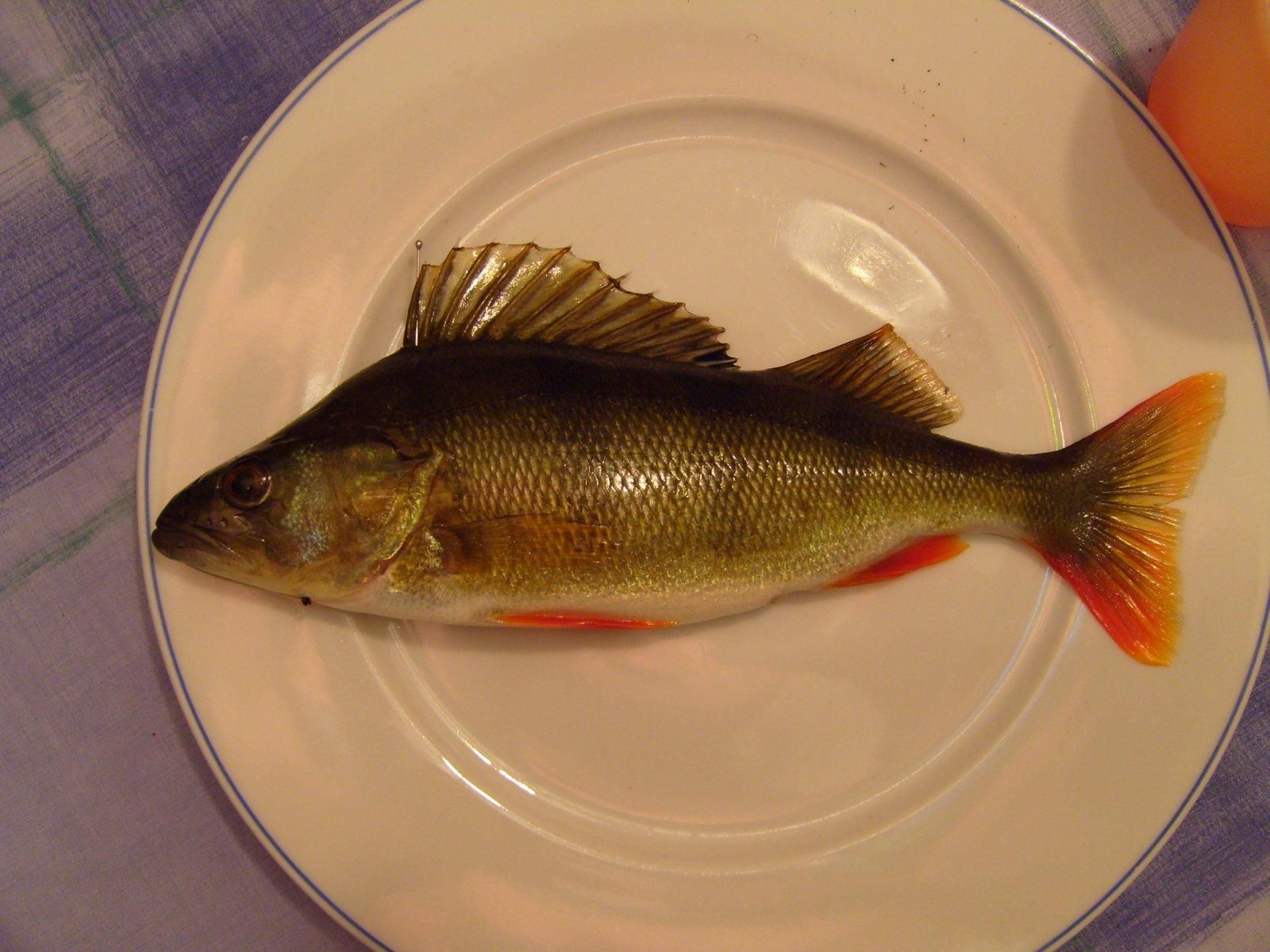
Spinning for pike, perch, and largemouth bass is practiced in rivers, reservoirs, and the deeper northern lakes. The technique transfers well from one environment to another with mainly lure-size adjustments: 5–8 cm soft plastics on jig heads of 5–10 g for perch and bass in rivers; larger shads and swimbaits up to 15 cm for lake pike.
The best spinning for perch in Italian rivers happens from March through May, when warming water temperatures push perch onto gravel bars in 1–3 m of water. A small drop shot rig with a 2-inch finesse worm fished slowly along the bottom outperforms casting lures during this early-season period.

Surfcasting on the Adriatic and Tyrrhenian coasts
Surfcasting — casting a lead weight of 80–150 g with one or two baited hooks over long distances from the beach — is the dominant shore fishing method along Italy's sandy coastlines. The Adriatic coast from the Po delta south to the Puglia heel, and the Tyrrhenian's sandy sections in Lazio and Campania, support a sustained surfcasting tradition.
Standard target species include sea bream (sarago and orata), flatfish (passera and sogliola), mullet (cefalo), and — in the northern Adriatic in autumn — sea bass (branzino). Night sessions from August through October, targeting sea bass under moonlight in the wave break, are considered among the most productive for this species.
The casting technique used in Italian surfcasting is the pendulum cast, which allows experienced anglers to reach 80–120 m with a 150 g lead. It requires a rod of at least 3.9 m rated for the weight, a shock leader of 50+ lb monofilament to absorb the cast force, and a mainline of 0.18–0.20 mm monofilament or 0.10 mm braid on a large fixed-spool reel in the 6000–8000 size class.
Rock fishing and the pesca a bolentino
Rocky coastlines — particularly in Liguria, southern Campania, Calabria, and Sicily — offer a different kind of shore fishing. The Italian term pesca a bolentino describes vertical jigging from rocks or sea walls using a multi-hook paternoster rig, targeting wrasse, grouper (cernia), dentex, and sea bream in water from 5 to 30 m depth directly below the casting position.
The rig uses a weight at the bottom — typically 100–250 g depending on current — with 2–4 hook-snoods spaced 25–30 cm apart above it. Bait is small strips of squid, fresh shrimp, or cuttlefish. The rod is held at 45 degrees and the tip is watched for the characteristic tap of a bite before a sharp strike.
This technique requires no long cast and produces well in areas where the water deepens quickly from shore, which describes most of the rocky Tyrrhenian and southern Adriatic coastline.
Fishing regulations in Italy
Italy's recreational fishing framework operates at multiple levels. A national fishing licence (licenza di pesca) for freshwater is issued by provincial authorities and covers most inland waters. The cost is approximately €10–15 annually depending on the province. The licence must be renewed each year and must be carried when fishing.
Several regions — including Trentino-Alto Adige, Valle d'Aosta, and parts of Lombardy — manage their waters under separate regional regulations with stricter rules on catch limits and closed seasons. For rivers holding protected salmonid populations, specific zone rules apply that may restrict or prohibit fishing entirely for parts of the year.
Salt water shore fishing from freely accessible public coastline does not require a licence for recreational purposes, provided the daily catch remains within the limits set by the Ministry of Agriculture (currently 5 kg of mixed fish per person per day, or one individual specimen if it exceeds 5 kg). Fishing within protected marine areas (aree marine protette) is either restricted or prohibited; zone maps are published by the Ministry of the Environment.
Full current information on freshwater licences is maintained by FIPSAS. Regional fisheries offices publish zone-specific closed-season calendars each year, typically in January.